
Fever and Blood Pressure: What’s the Connection?
Medical Disclaimer
This article is for informational purposes only and does not substitute professional medical advice. Always consult a healthcare provider.
Normally, our body keeps its temperature within a narrow range, and minor fluctuations don’t usually affect blood pressure. In other words, a slight increase or decrease in temperature doesn’t necessarily cause blood pressure spikes and isn’t something to worry about.
But fever changes the game. Many people with hypertension notice that their blood pressure becomes unstable during a fever, even if they strictly follow their doctor’s recommendations. In some cases, these fluctuations may require an unplanned visit to a specialist.
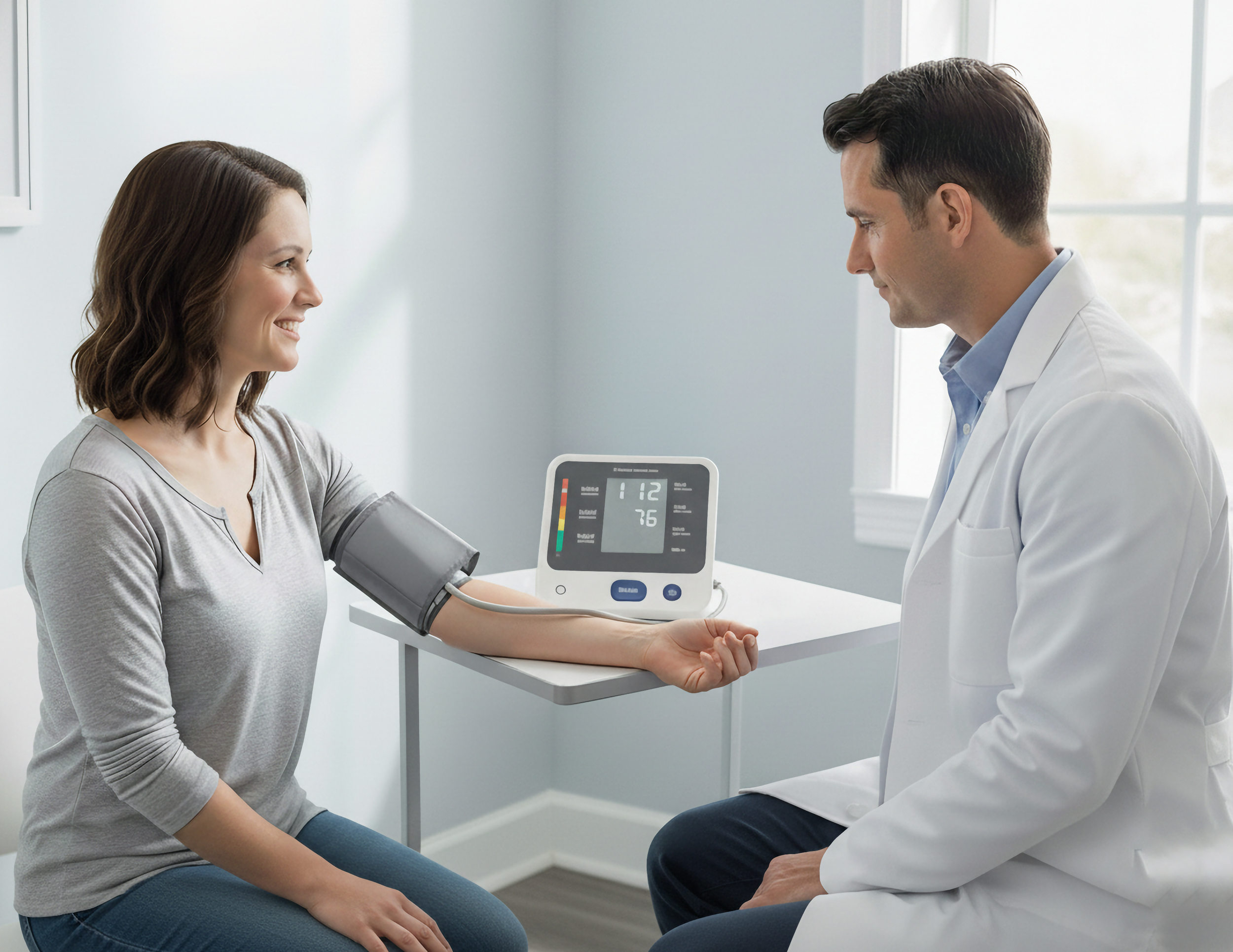
Fever triggers a whole cascade of physiological reactions. Heart rate speeds up, and blood vessels go through a two-phase process—first constricting, then dilating. For people with hypertension, these shifts can lead to sudden blood pressure spikes since their regulatory system doesn’t work as efficiently. So yes, fever does impact the cardiovascular system, but it’s not a straightforward cause-and-effect relationship—it depends on individual factors.
For healthy individuals, these changes usually don’t pose a threat. But for those with hypertension, blood pressure can fluctuate dramatically. On top of that, fever leads to fluid and electrolyte loss, which further affects the heart and blood vessels. That’s why acute infections are considered a risk factor for worsening hypertension and other cardiovascular conditions. That’s why it’s important to monitor blood pressure during illness and consult a doctor if needed.
Managing fever with hypertension requires careful monitoring. Log your body temperature, track symptoms over time, and share accurate health data with your doctor using Body Temperature App.
People Also Ask
-
Not always. Fever causes a two-phase response in blood vessels — first constriction which can raise blood pressure, then dilation which can lower it. The effect depends on individual factors, the severity of fever, and whether the person has underlying conditions like hypertension.
-
People with hypertension have a less efficient cardiovascular regulatory system. When fever triggers rapid heart rate and blood vessel changes, their blood pressure can fluctuate dramatically — more so than in healthy individuals. This is why monitoring blood pressure during fever is especially important for this group.
-
Yes. Fever causes fluid and electrolyte loss through sweating. Dehydration reduces blood volume, which can cause blood pressure to drop suddenly — particularly dangerous when combined with the cardiovascular stress of fever itself.
-
Yes — tracking both gives a fuller picture of how your body is responding to infection. Use Body Temperature App to log temperature readings alongside symptoms, and share the data with your doctor if blood pressure becomes unstable during fever.
-
Consult a doctor if you have hypertension and notice blood pressure fluctuations during fever that don't stabilize with usual medication, or if fever persists more than three days. An unplanned visit is better than waiting when cardiovascular symptoms are involved.
References
Zenglei Zhang et al. “Role of Inflammation, Immunity, and Oxidative Stress in Hypertension: New Insights and Potential Therapeutic Targets.” In: Frontiers in Immunology 13 (Jan. 2023). ISSN: 1664-3224. DOI: 10.3389/fimmu.2022.1098725.
John E. Hall and Michael E. Hall. Guyton and Hall Textbook of Medical Physiology. 14th edition. Philadelphia, PA: Elsevier, 2021. ISBN: 978-0-323-59712-8 978-0-323-67280-1.
Pyry N. Sipilä et al. “Severe Infection and Risk of Cardiovascular Disease: A Multicohort Study.” In: Circulation 147.21 (May 2023), pp. 1582–1593. ISSN: 0009-7322, 1524-4539. DOI: 10.1161/CIRCULATIONAHA.122.061183.